Ph.D. Candidate · Carnegie Mellon University
Computational Biology, Comparative Genomics & Neuroscience · Pittsburgh, PA
I'm a fifth-year Ph.D. candidate in the Pfenning Neurogenomics Lab at Carnegie Mellon University. My research focuses on the molecular and genomic basis of vocal learning and social behaviors — using comparative genomics, machine learning, and epigenomics to understand how enhancer evolution drives the convergent emergence of these complex traits across vertebrates.
I also have extensive experience in science education and teaching. When I'm not in the lab, I'm probably watching baseball, hiking, or listening to music.
Selected Research Projects
Pfenning Neurogenomics Lab, CMU Department of Biological Sciences
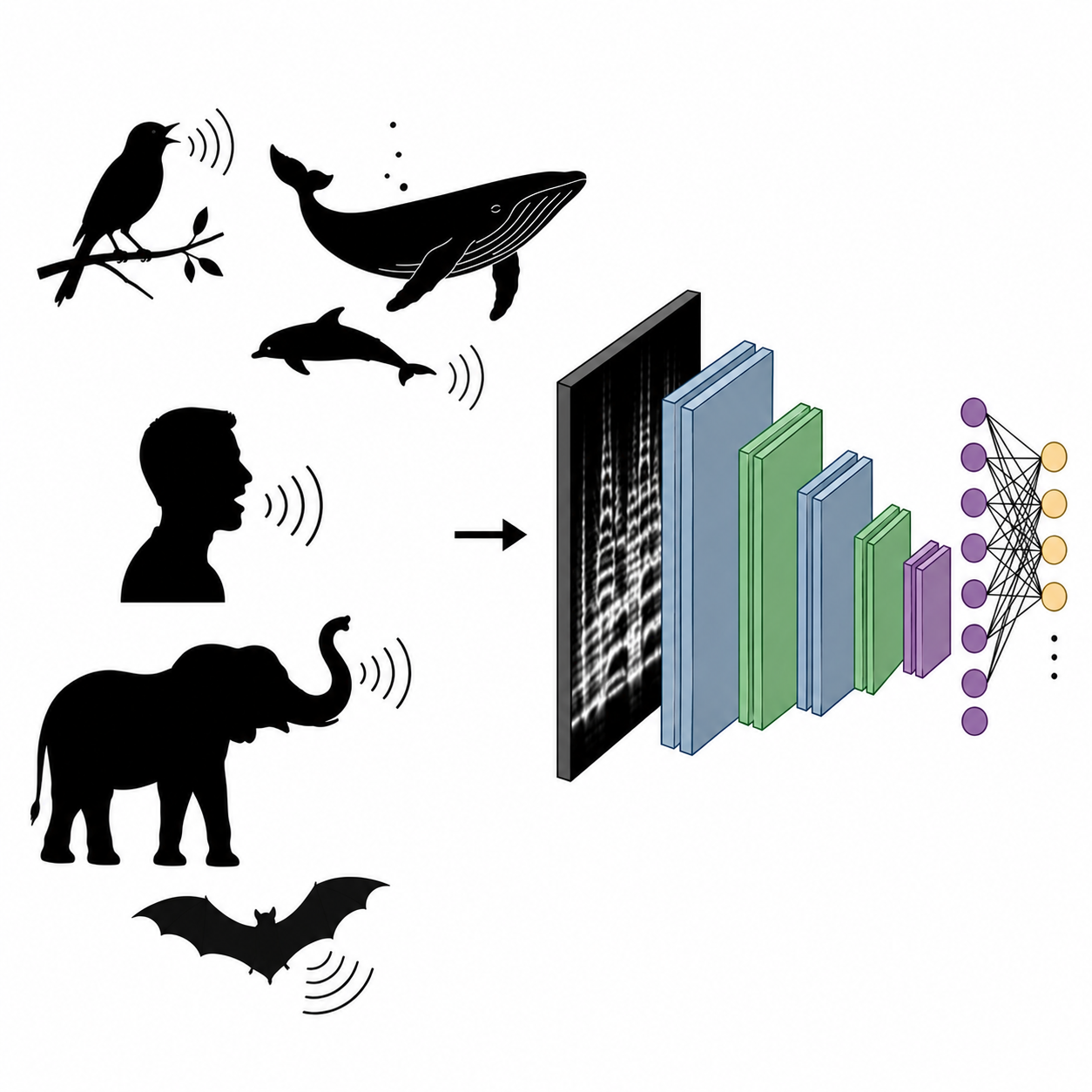
Vocal learning — the ability to imitate sounds through social exposure — has evolved independently in multiple vertebrate lineages, each developing a specialized forebrain sensorimotor circuit. Using machine learning, comparative genomics, and ATAC-seq data across 280+ vertebrate genomes, I identify and characterize enhancers whose activity patterns are uniquely conserved in vocal learners, linking genetic sequence variation to circuit-level neural function and behavior.
Pfenning Lab / VGP Consortium
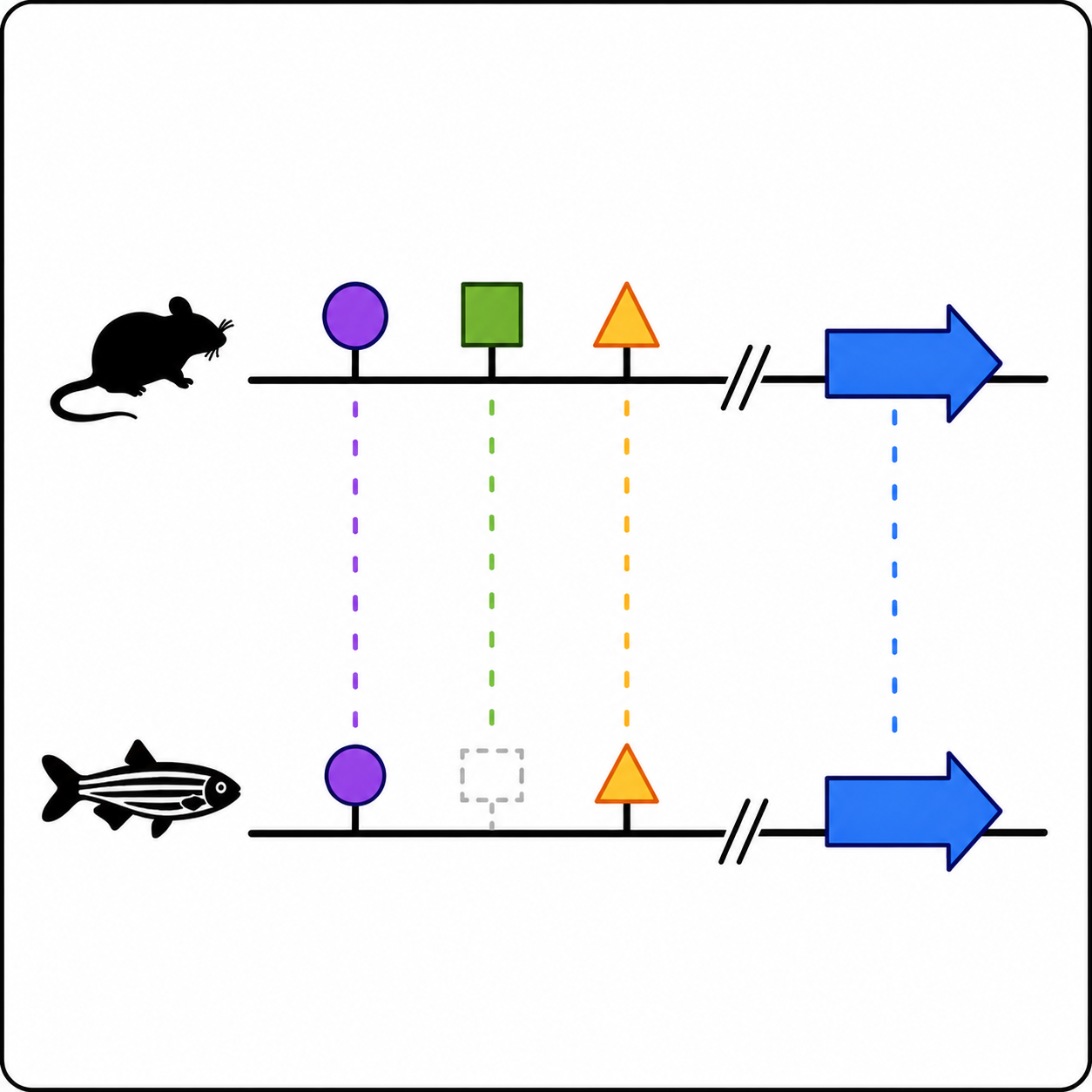
As part of the Vertebrate Genomes Project consortium, I developed pipelines to assess enhancer–gene synteny conservation across ~577 vertebrate genomes using HAL-format liftover and large-scale SLURM HPC workflows. This work characterizes the evolutionary retention of regulatory architecture across vertebrate lineages, with a focus on interneuron-associated enhancers in the motor cortex.
Furey Lab, UNC Department of Medicine
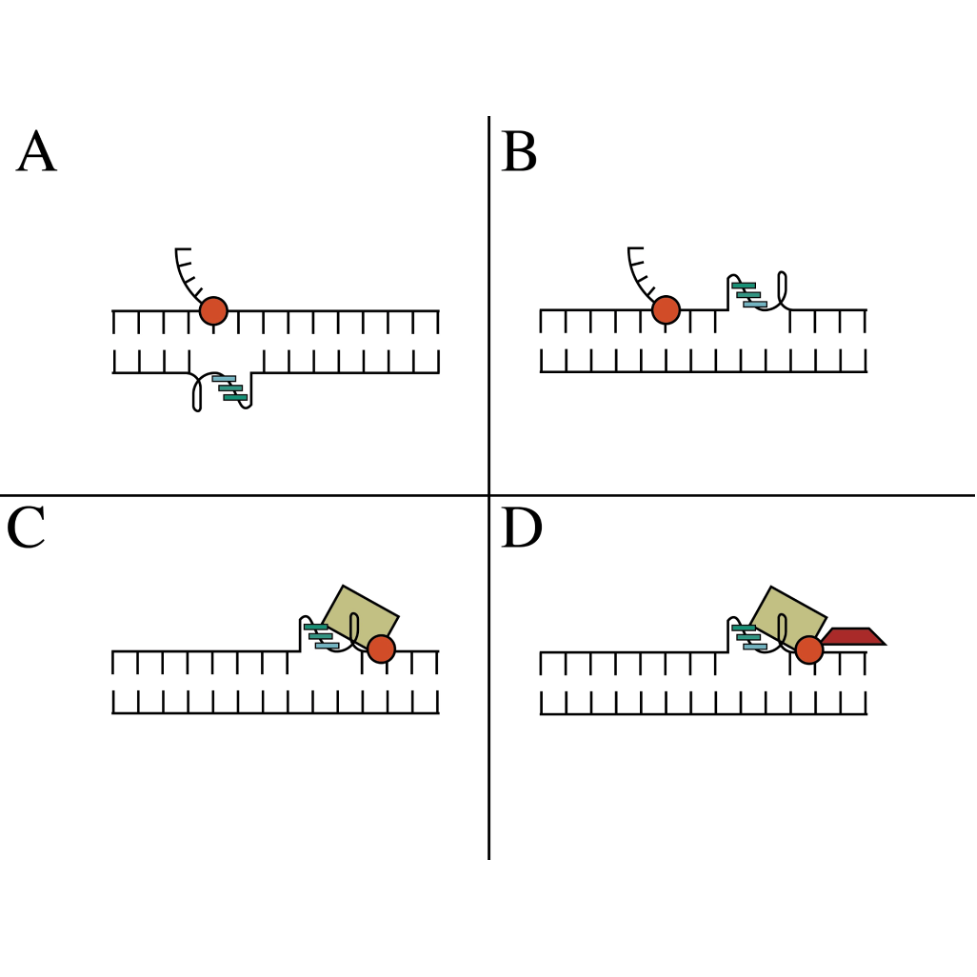
Applied allelic imbalance analysis and statistical modeling to ATAC-seq data from patient colonic tissue to identify sites of differential chromatin accessibility linked to Crohn's disease risk loci. Identified 2,000+ sites of allelic imbalance, with 8 overlapping established GWAS loci including NOD2 and DNMT3A. Work completed as Honors Thesis; published in Nature Communications.
Selected Publications
Published
Under Review & In Preparation
Teaching Experience
Mentorship
Mentorship has been a consistent thread across my research training. I've worked closely with students at the undergraduate, Master's, and doctoral levels, guiding independent projects, providing technical training in computational biology, and supporting scientific writing and presentation. My approach is grounded in the same framework I bring to teaching: moving students from structured exposure to independent application to articulation of their own ideas. I am less interested in producing students who can execute a workflow than in developing researchers who understand why a given approach exists, when it is appropriate, and where it breaks down. All six students I've formally mentored have gone on to PhD or MD programs, including one thesis recognized with the Best Honors Thesis award in the CMU School of Computer Science. For more about my approach to teaching and learning, see my teaching philosophy.
Recognitions